You leave the clinic with a folded piece of paper in your bag. By the time you're home, the paper stays in the bag — because it's faster to just message the pharmacy's WhatsApp number: "Good afternoon, please I need amoxicillin, the 500 one."
Ten minutes later, a rider is on the way with amoxicillin. Except your prescription said amoxiclav, not amoxicillin — two different drugs, one letter apart in casual speech, treating different things. Or it said 500mg twice daily for five days, and what got typed back was just "the 500 one," which told the pharmacy nothing about frequency or duration. Nobody involved in that exchange did anything careless. They just weren't looking at the actual prescription — because nobody sent it.
This is not a rare failure mode. It's the default outcome of a very normal Ghanaian habit: doing everything by text.
Why "just type the drug name" is riskier than it feels
Ghana already runs a huge amount of commerce through WhatsApp, Instagram, and TikTok DMs — social sellers dispatch orders this way every day, and it works because a dress or a bag of rice doesn't change if the message is slightly off. Medicine isn't as forgiving.
A few ways a typed drug name goes wrong that a photo of the real prescription wouldn't:
- Sound-alike and look-alike names. Amoxicillin and amoxiclav. Piriton and Piritex. A generic name versus a brand name for the exact same molecule. Said or typed quickly, these blur into each other — and pharmacies dispensing informally have no independent way to catch it if all they were given was the name.
- Dropped or garbled strength and frequency. "The 500 one" is not the same information as "500mg, twice daily, for 5 days, after meals." Strength, frequency, and duration are the parts of a prescription most likely to get lost when someone paraphrases it from memory or a doctor's rushed handwriting into a casual message.
- No paper trail to catch a substitution. If a pharmacy is out of exactly what you asked for and swaps in something "similar" over text, there's no original document for anyone to check that substitution against. With the real prescription in hand, a pharmacist can see the full context — what else you were prescribed, what condition it's for — before deciding a substitute is genuinely equivalent.
This isn't a hypothetical problem specific to informal ordering, either — it's a documented one in Ghana's formal prescribing system too. A 2024 study of prescribing errors at Bekwai Municipal Hospital, a primary-care facility near Kumasi, found dose errors and frequency errors were among the most common mistakes made even by trained prescribers — and the reason most of those errors never reached a patient is that a pharmacist caught them by reviewing the actual prescription before dispensing. That review step is exactly what disappears when the only thing anyone sees is a typed-out drug name.
The fix: treat your prescription photo like the document it is, not a text message
If you're getting medicine delivered instead of walking to a pharmacy yourself, the goal is simple — whoever quotes and fills your order should be looking at the same information your doctor actually wrote, not a paraphrase of it. That means sending a proper photo of the prescription, not a summary of what you remember it said.
A prescription photo that actually works:
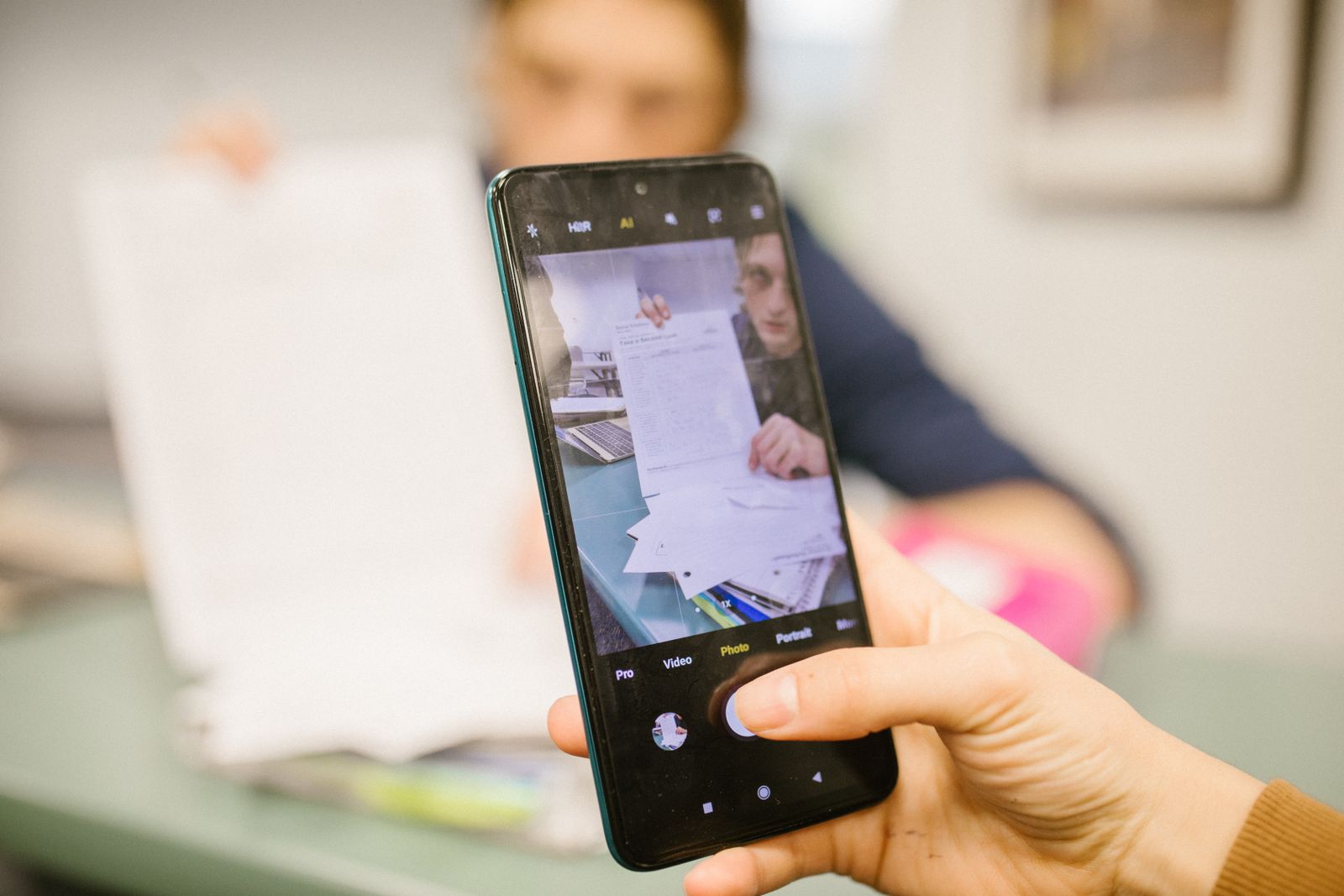
- Get all of it in frame. Doctor's name and stamp, patient name, date, and every line of the prescription — not just the drug names, cropped tight. A pharmacist quoting your order needs the whole document to catch anything unusual (like a strength that seems off for your age or a drug combination worth double-checking).
- Shoot it flat and in good light. Lay it on a flat surface, avoid shadows across the handwriting, and hold the phone directly above it rather than at an angle — angled photos distort exactly the part of the word that tells "amoxicillin" from "amoxiclav."
- If it's more than one page, photograph every page. A prescription for multiple medicines often continues onto a second sheet or the back of the pad. A missing page means a missing medicine, silently.
- If the handwriting is genuinely hard to read even to you, ask before you leave the clinic. It's a completely normal thing to ask a doctor or nurse to confirm the name and dosage out loud, or to write more clearly, while you're still standing there — much easier than trying to decode it later from a blurry photo with a pharmacist waiting on the other end of a chat.
- Keep the original. Even after you've sent a photo for delivery, don't discard the physical prescription — you may need it again for a NHIS claim, a refill, or a second opinion.
If you're unsure whether what arrives matches what was prescribed, it's also worth knowing what to check for signs of a fake or substandard medicine before you take it, and understanding what NHIS actually covers versus what you'll pay out of pocket — both are steps in the same chain of making sure what you're taking is what you were actually meant to get.
Why some delivery apps insist on a photo upload instead of a free-text field
This is also the practical reason a prescription-first delivery flow is built around uploading an image rather than typing a drug name into a search box. On GoPiki, for example, you can either browse the medicine catalog directly or upload a photo of your prescription, which is read by AI before nearby pharmacies see the request and quote you back with price and prep time — you pick the best quote, pay, and the rider confirms delivery with an OTP at your door. The point of that structure isn't convenience for its own sake; it's that the pharmacies quoting your order are responding to the actual document, the same way a pharmacist behind a counter would if you handed it to them in person.
That's not a claim that any app verifies drug authenticity on your behalf — that's still on you, using the checks in the fake-medicine guide above. It's a narrower claim: a photo-based flow removes one specific, avoidable point of failure — the part where a drug name gets retyped from memory and something gets lost between the doctor's pen and the delivery.
The one-line version
If you wouldn't read a prescription out loud from memory to a stranger and expect them to get every word right, don't type it out for them either. Send the photo. It costs you ten extra seconds and closes the exact gap where mix-ups happen.
GoPiki delivers prescription medicine and parcels across Ghana, with nearby pharmacies quoting your prescription and a rider confirming delivery by OTP. See how medicine delivery works or download the app.