The moment nobody plans for
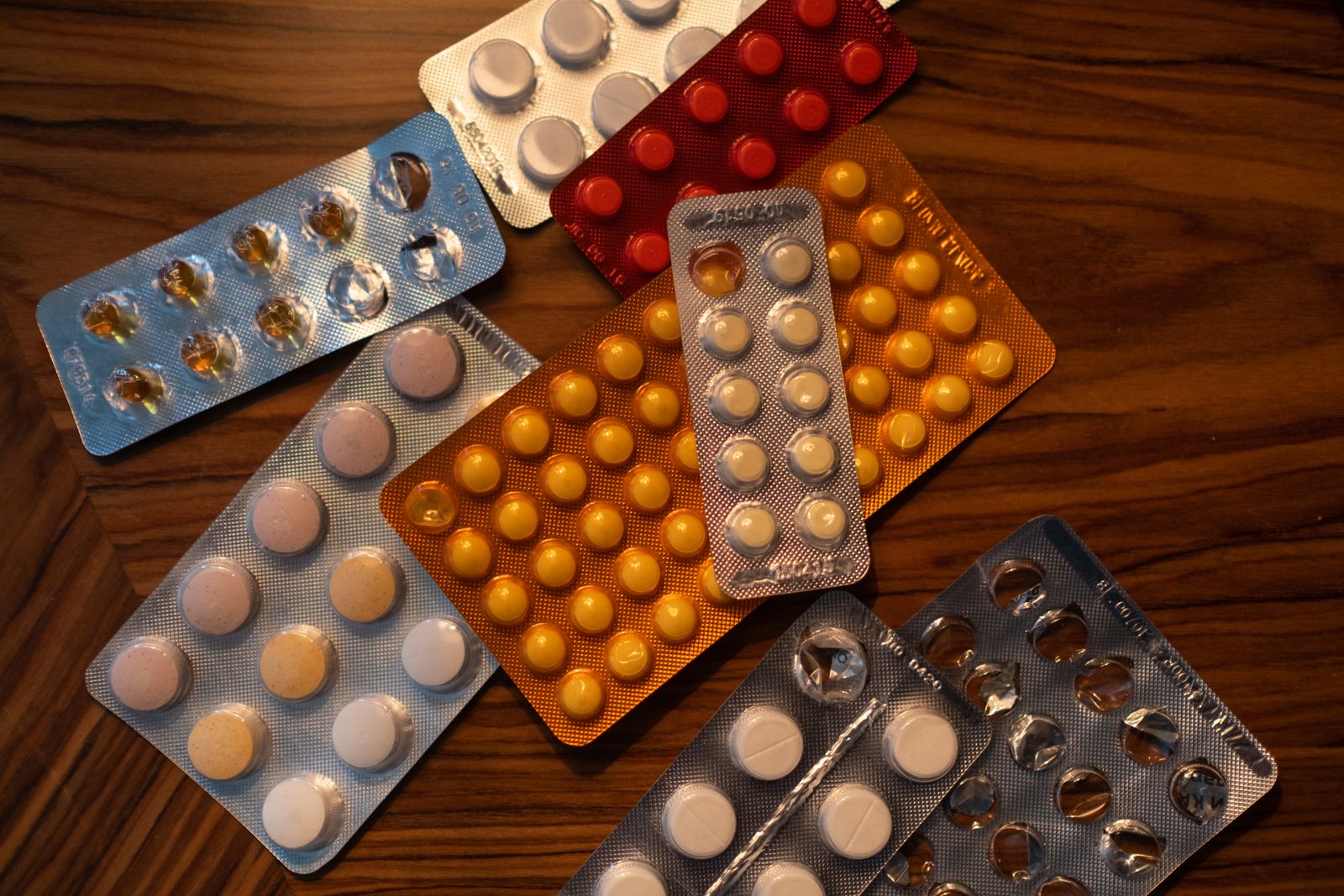
You get home, open the bag, and there it is — the blister pack, the box, the thing you actually needed. Most of the time the story ends there: you take it, you feel better, you move on. But every so often something feels slightly off. The foil looks thinner than last time. The print on the box is a shade blurrier. The tablets are a different color than you remember. And you're standing in your kitchen with a decision to make, and almost no idea how to make it.
This isn't paranoia. It's a real, documented gap between the moment you pay for medicine and the moment you actually know what you paid for. Most guidance on medicine safety in Ghana focuses on the step before you buy — is the pharmacy licensed, is the app legitimate. That matters, and it's worth checking (we've written about it separately). But it doesn't help you once the product is already in your hand and something feels wrong. This is the checklist for that moment.
The risk is real, but it's also smaller than the scariest headlines suggest
The World Health Organization estimates that roughly 1 in 10 medical products circulating in low- and middle-income countries is substandard or falsified — not evidence that most medicine is fake, but confirmation that the risk is real enough to build institutions around. Ghana has done exactly that: the Food and Drugs Authority (FDA) restricts medicine importation to a specific set of ports to tighten the supply chain, and it runs an active enforcement and public-alert program most patients never think to check.
That enforcement isn't theoretical. In 2026, the FDA issued an urgent public alert after falsified HIV diagnostic test kits (VISITECT CD4 assays) turned up in circulation. The tell wasn't subtle once regulators looked closely: the fake kits listed a manufacturing date of August 2024 and an expiry of January 2027, while the genuine kits from the same batch series were manufactured in July 2025 and expire in November 2026 — a date sequence that doesn't add up if you actually check it. That's the entire point of this article. Falsified products usually have a tell. Most people just never look for one.
The checklist: what to actually check, in order
1. Match the batch number in at least two places. A genuine product should print the same batch/lot number on the outer box and on the blister pack or bottle label inside it. If they don't match — or if the box has a batch number and the strip inside doesn't have one at all — that's a real red flag, not a printing quirk to shrug off.
2. Check that the manufacturing and expiry dates actually make sense together. As the 2026 FDA case shows, a genuine product's dates follow a logical sequence for that drug's typical shelf life. A manufacture date that's oddly recent next to a far-off expiry, or vice versa, is worth a second look — especially compared to a box of the same medicine you've bought before.
3. Look for the physical tells: print quality, packaging feel, tablet consistency. Blurry or misaligned printing on the box, foil that feels thinner or looser than usual, tablets that are chipped, discolored, or an unfamiliar shape or size for a drug you've taken before — none of these prove anything on their own, but together they're exactly what FDA guidance tells consumers to look for.
4. If the product carries an mPedigree scratch code, use it. mPedigree is a Ghanaian-built anti-counterfeit system: scratch the panel on the label to reveal a code, text it free to the number printed on the pack, and you get an automated reply confirming whether that specific unit is genuine. Not every product carries one, but when it does, it takes under a minute and it's free.
5. Check the FDA's own recall and alert list before you assume the worst — or the best. The FDA Ghana maintains a public Product Recalls & Alerts page. If something feels off about a specific drug or brand, checking whether it's already been flagged takes thirty seconds and turns a guess into an actual answer.
6. If you're still unsure, report it — don't just quietly discard it. The FDA's Med Safety App (free on Google Play and the App Store) exists specifically so patients and health workers can report suspected fake or substandard products and adverse reactions. A quiet decision to throw out a suspicious pack and buy from somewhere else next time doesn't get that batch off the shelf for the next person. Reporting it does.
Where the buying channel still matters
None of the checklist above replaces buying from a source you can actually trace back to a real, licensed pharmacy in the first place — that's a separate, earlier check, and it's worth doing before you pay, not after. A traceable order (a named pharmacy, a receipted payment, a delivery confirmation) doesn't verify the drug itself, but it does mean that if something is wrong, there's an actual record and a real business behind it to hold accountable — not an anonymous WhatsApp number that's already changed its display name.
To be direct about GoPiki's part in this: GoPiki doesn't test or certify drug authenticity — that's the FDA's and the Pharmacy Council's job, and no delivery app should claim otherwise. What GoPiki does is make sure the order itself is traceable end to end: you upload a prescription or browse the catalogue, named pharmacy partners quote you back, you pay through Paystack, and delivery is confirmed with an OTP at your door. That traceability doesn't replace the checklist above — it just means that if you ever need to ask "which pharmacy actually sent me this," you have a real answer instead of a shrug.
The habit worth keeping
Most medicine bought in Ghana is exactly what it claims to be. But the two-minute version of this habit — check the batch numbers match, check the dates make sense, use the scratch code if there is one, check the FDA alerts page if anything feels off, and report it if you're genuinely unsure — costs you almost nothing and turns "something feels off" from a shrug into an actual answer. That's the whole difference between hoping and knowing.
Curious how the pharmacy-quote and delivery-confirmation flow actually works? See how medicine delivery works on GoPiki. And if you haven't yet, read our companion piece on how to tell if an online pharmacy or medicine delivery service is actually licensed before you order.
GoPiki is a Ghana-based delivery platform for medicine and parcels, connecting patients with vetted nearby pharmacies. Download GoPiki on Google Play and the App Store.